
Look Down, Look Up: Owls in Our Midst
by Nature Technician Justin Emery
Livermore is fortunate to have amazing owls around the park. These birds of prey are vital to the ecosystem because of their ability to keep rodent and insect populations down. There is much to learn about these fascinating creatures! Here is a short synopsis about two owls you may be lucky enough to spot in the open spaces of Livermore Valley.
Ground Dwellers in Decline
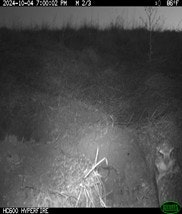
The Western Burrowing Owl (Athene cunicularia ssp. hypugaea) is a small, charismatic owl more often seen on the ground than in flight. It has been facing population loss due to multiple factors including housing developments and ground squirrel population decline across California. Found throughout western North America, the subspecies has its strongest population in the Imperial Valley of Southern California. While Western Burrowing Owls are in decline, they are still active around Livermore.
Candidates for California Endangered Species Act
Projects around the country involving burrowing owls have used artificial burrows suited for the owls if relocation or mitigation is needed. The subspecies has recently become a candidate for the California Endangered Species Act, which if listed will be entitled to protections for their population and habitat areas. A decision on listing should come sometime early this year, with the goal of preventing the population from declining any further.
Barn Dwellers on the Hunt
The American Barn Owl (Tyto furcata) is an owl that can be seen or heard nesting in the Livermore area. With their distinct heart-shaped face, ghostly coloration, and raspy calls, they stand out against the other local owls. Barn Owls prefer open or agricultural areas to hunt, which makes the Tri-valley an excellent hunting ground. These owls have incredible night vision and can appear all white in complete darkness. At the base of most nests are owl pellets that they cough up consisting of the bones of their prey.

True to their name, they are known for nesting in barn lofts, but in the wild prefer natural cavities, like holes in trees and caves. Barn Owls are also likely to nest in human built nest boxes; there are some owl boxes at Sycamore Grove Park that our local Barn Owls have faithfully taken to using.
